
Across North Carolina, metal roofing has moved from a niche option to one of the fastest-growing roofing choices for both residential and commercial buildings. For decades, asphalt shingles dominated the market because of their affordability and familiarity. Today, however, more homeowners, property managers, and business owners are choosing metal roofing systems for their durability, energy efficiency, and long-term value.
The shift is noticeable throughout the state, from the mountains of western North Carolina to the coastal regions where weather conditions can be especially demanding. As building owners look for roofing materials that can handle extreme weather, reduce maintenance, and last longer, metal roofing continues to gain attention as a practical solution.
The Rise of Metal Roofing in North Carolina
Metal roofs have existed for a long time, particularly in agricultural buildings, barns, and industrial structures. What has changed in recent years is how widely metal roofing is being used on homes, retail buildings, offices, and other commercial properties. Modern metal roofing systems offer improved aesthetics, better coatings, and a wider range of styles that make them suitable for many types of architecture.
North Carolina’s climate plays a significant role in this growth. The state experiences intense summer heat, heavy rainfall, occasional hail, strong winds, and coastal storms. Roofing materials must be able to handle these conditions over long periods. Many property owners have found that metal roofing systems provide a level of resilience that traditional materials sometimes struggle to match.
Another factor driving growth is increased awareness. As contractors and manufacturers educate customers about long-term roofing performance, more people are realizing that metal roofs are not just for industrial buildings. They can also provide an attractive and reliable roofing option for residential neighborhoods and commercial developments.
Durability in North Carolina’s Weather
One of the biggest reasons metal roofing is gaining popularity is its ability to withstand harsh weather conditions. North Carolina experiences a wide range of environmental stresses, including hurricanes along the coast, severe thunderstorms across the Piedmont, and occasional winter storms in the mountains.
Metal roofing panels are designed to resist high winds, which is particularly important during tropical storms and hurricanes. Properly installed standing seam and screw-down metal roofs can handle wind speeds that often exceed those tolerated by many traditional roofing materials. The interlocking design of standing seam systems helps reduce the risk of wind uplift, which is a common cause of roof damage during severe weather.
Metal roofs also perform well against heavy rain. Because the panels shed water quickly and efficiently, standing water is less of a concern than with some other roofing systems. In areas where storms bring large volumes of rain, effective drainage is a major advantage.
In addition, metal roofing can offer improved resistance to hail and debris impact compared to many other roofing materials. While no roofing system is completely immune to damage, metal panels generally hold up well when exposed to the types of weather events that frequently occur throughout the region.
Longer Lifespan Compared to Traditional Roofing
Longevity is another major factor influencing the shift toward metal roofing. A typical asphalt shingle roof may last around 15 to 25 years depending on installation quality, ventilation, and weather exposure. In contrast, many metal roofing systems can last 40 to 70 years or more when properly installed and maintained.
For homeowners planning to stay in their houses long term, this extended lifespan can make a metal roof a worthwhile investment. Instead of replacing a roof multiple times over several decades, a metal system may only need to be installed once during that same time period.
Commercial property owners also benefit from this durability. Fewer roof replacements mean fewer disruptions to business operations and lower long-term maintenance costs. When evaluating roofing from a life-cycle cost perspective rather than just upfront price, metal often becomes more attractive.
Energy Efficiency and Cooling Benefits
North Carolina’s hot and humid summers create high demand for air conditioning. Roofing materials can play a significant role in how much heat enters a building. Metal roofing systems often include reflective coatings designed to reduce solar heat absorption.
These reflective surfaces help bounce sunlight away from the roof instead of allowing it to transfer into the building structure. As a result, interior spaces may stay cooler, and HVAC systems may not have to work as hard to maintain comfortable temperatures. Over time, this can contribute to lower energy consumption.
Some metal roofing systems also qualify for energy efficiency programs or meet standards associated with cool roof technology. For businesses with large roof areas, even modest improvements in energy efficiency can add up to noticeable savings over time.
Low Maintenance Requirements
Maintenance is another area where metal roofing stands out. Traditional roofing systems may require regular shingle replacement, repairs from wind damage, or treatment for algae growth. Metal roofs generally require less frequent maintenance, provided they are installed correctly and inspected periodically.
Most maintenance tasks involve simple inspections to check fasteners, flashing, sealants, and roof penetrations. Clearing debris from valleys and gutters also helps ensure proper drainage. Compared with roofing systems that can experience frequent material deterioration, metal tends to maintain its structural integrity for longer periods.
This reduced maintenance burden appeals to both homeowners and property managers. Fewer repairs and inspections can translate into lower maintenance budgets over the life of the roof.
Modern Design and Architectural Appeal
Another reason metal roofing is becoming more common in North Carolina is improved design flexibility. Early metal roofs were often associated with industrial or agricultural buildings. Today’s metal roofing products come in a wide range of profiles, colors, and finishes that complement modern residential and commercial architecture.
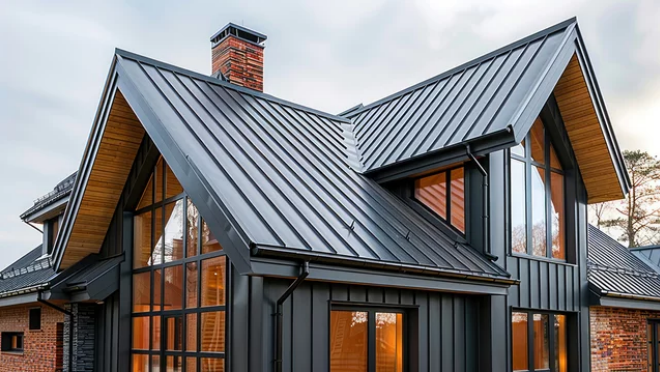
Standing seam metal roofs have become particularly popular for homes because of their clean lines and contemporary appearance. Hidden fasteners create a sleek surface while also protecting screws from direct weather exposure. These systems are commonly used on custom homes, modern farmhouses, and upscale residential developments.
Metal roofing panels can also mimic the look of traditional materials such as slate, tile, or shingles while offering improved durability. This gives homeowners more freedom to achieve the appearance they want without sacrificing performance.
Environmental Benefits
Sustainability has become an important factor in construction decisions, and metal roofing can support environmentally conscious building practices. Many metal roofs are made from recycled materials and can be fully recycled at the end of their lifespan. In contrast, asphalt shingles often end up in landfills after removal.
The longer lifespan of metal roofing also reduces the frequency of replacement, which means fewer materials being manufactured, transported, and disposed of over time. Combined with potential energy savings, these factors contribute to a smaller environmental footprint.
For builders and developers working on energy-efficient or environmentally focused projects, metal roofing can help meet sustainability goals while maintaining strong structural performance.
Growing Acceptance in Residential Neighborhoods
Homeowners associations and neighborhood design standards once limited the use of metal roofs in some residential areas. As metal roofing has become more visually appealing and widely accepted, many communities have relaxed these restrictions.
Today it is common to see metal roofs on new construction homes, renovated farmhouses, mountain cabins, and coastal properties throughout North Carolina. Their combination of durability, storm resistance, and modern appearance makes them especially appealing in regions that frequently experience severe weather.
Insurance companies in some cases may also view metal roofs favorably because of their resistance to fire and wind damage. While policies vary, this can sometimes lead to insurance considerations that further encourage adoption.
Commercial Adoption Across the State
Commercial buildings are also contributing to the rise of metal roofing across North Carolina. Retail centers, warehouses, manufacturing facilities, and office buildings frequently rely on metal roofing systems because of their strength and low maintenance requirements.
Standing seam systems are particularly common on large commercial structures where long panels can cover significant roof areas efficiently. These systems can also accommodate thermal movement caused by temperature changes, which is important for large roof spans exposed to direct sunlight.
For businesses, reliability is critical. Roof leaks can interrupt operations, damage inventory, and create costly repairs. The durability of metal roofing systems helps reduce these risks when the roof is properly designed and installed.
Final Thoughts
The growth of metal roofing in North Carolina reflects a broader shift toward durable, long-lasting building materials. As homeowners and businesses look beyond short-term costs and consider long-term performance, metal roofing continues to gain traction throughout the state.
Its ability to withstand severe weather, provide energy efficiency, require less maintenance, and deliver modern visual appeal makes it an increasingly attractive option. While asphalt shingles still dominate many residential markets, metal roofing is steadily expanding its share as more people recognize its advantages.
For building owners evaluating roofing options, the decision ultimately depends on budget, building design, and long-term goals. However, the trend is clear. Across North Carolina, metal roofing is no longer just an alternative. It is becoming a preferred solution for those seeking durability, performance, and long-term value.