
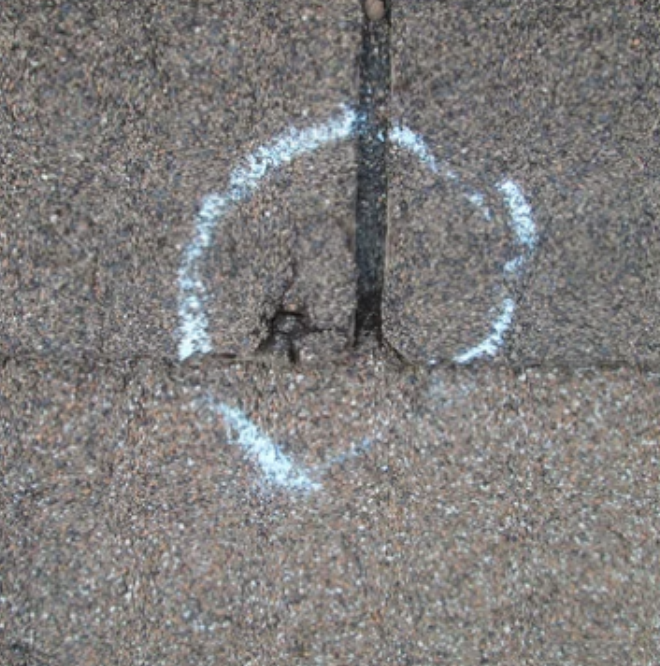

Many roof problems do not begin with a dramatic leak or a section of shingles blowing off during a storm. In many cases, a roof starts failing in quieter ways that property owners overlook until the damage becomes more expensive. A small ceiling stain, a patch of missing granules in the gutter, lifted flashing around a penetration, or repeated minor repairs can all point to a larger issue. By the time obvious leaks appear, the roof system may already be well into the failure stage.
For homeowners, commercial property owners, and property managers, knowing when a roof needs replacement is one of the most important parts of protecting the building. Waiting too long can lead to interior water damage, insulation loss, mold concerns, structural deterioration, and higher repair costs. Replacing a roof too early is not ideal either. The goal is to identify the warning signals accurately and make the decision based on condition, not guesswork.
This guide explains the most common signs a roof may need replacement and highlights the warning signals many property owners miss until it is too late.
Age Is Still One of the Biggest Clues
One of the first things to consider is the age of the roof. Every roofing system has an expected service life, but that range depends on the material, installation quality, ventilation, exposure, and maintenance history. Asphalt shingles may last 15 to 30 years depending on the product and conditions. Metal roofs can last much longer. Flat roofing systems such as TPO, EPDM, and modified bitumen have their own life expectancy ranges based on membrane thickness, seam quality, drainage, and foot traffic.
Age alone does not automatically mean replacement is required, but it does change how problems should be interpreted. A small leak on a relatively new roof may point to an isolated installation issue. The same leak on a roof nearing the end of its expected lifespan may be a symptom of broader deterioration. Once a roof reaches the later part of its service life, even seemingly minor issues should be taken more seriously because repairs often become less cost-effective.
Many property owners do not know exactly how old their roof is, especially if they bought the property from someone else. That is why roof records, prior invoices, warranty information, and inspection reports are worth keeping. A roof with unknown age should be inspected carefully if there are signs of wear.
Repeated Repairs Are a Major Warning Sign
One of the clearest signs a roof may need replacement is repeated repair activity. A single repair after a storm or a localized flashing issue does not necessarily mean the full roof is failing. But when the same roof needs ongoing attention year after year, the larger question becomes whether the system is wearing out as a whole.
This often happens when property owners keep addressing isolated symptoms instead of evaluating the entire roof condition. One leak is repaired, then another appears in a different location. A section of shingles is replaced, then another slope begins to fail. Flashing is patched, but new water intrusion shows up around penetrations or transitions. At a certain point, frequent repairs stop being a practical maintenance strategy and become a sign that the roof no longer has enough reliable service life left.
In commercial buildings, this pattern often shows up as recurring seam repairs, repeated ponding-related issues, or multiple leak calls in different areas of the same low-slope roof. In residential settings, it may appear as ongoing shingle replacement, chronic chimney flashing problems, or recurring attic moisture and staining.
Shingle Damage Often Tells the Story
For sloped residential roofs, the shingles themselves provide important clues. Curling edges, cracking, bald spots, widespread granule loss, and missing shingles all signal that the roof may be breaking down. Granules protect shingles from UV damage, and once they wear away, the asphalt beneath is more vulnerable to weathering and deterioration.
Property owners often notice missing shingles after a storm, but they sometimes miss the broader pattern of surface wear leading up to it. If the roof shows widespread granule loss, brittle tabs, or multiple areas with loosened or distorted shingles, replacement may be more appropriate than spot repair.
Another commonly overlooked issue is uneven aging. One roof slope may fail faster than another because of sun exposure, poor ventilation, or storm direction. Owners sometimes repair the worst side and assume the rest of the roof is fine, even though the remaining sections may be close behind. A full evaluation should consider the roof as a system, not just the most damaged visible area.
Leaks Are Not Always Where the Problem Starts
Many people assume that if a roof is failing, they will see an obvious leak directly below the damaged area. In reality, water often travels before it becomes visible inside the building. A leak may enter near a roof penetration, flashing joint, valley, curb, or seam and show up several feet away on a ceiling or wall.
That is why interior staining should never be dismissed as a small isolated issue without further inspection. Water stains, bubbling paint, peeling drywall tape, damp insulation, musty odors, and repeated ceiling patching are all warning signs that moisture may be entering the roof system. In attics, look for dark decking, water trails, mold-like growth, rusty nail tips, or compressed insulation. In commercial properties, upper-floor ceiling tiles, wall intersections, and mechanical areas often reveal the first signs of hidden roof leaks.
By the time interior symptoms become visible, the roof may have been allowing water in for longer than expected. Some owners treat interior patching as the solution, when the real problem is still active above.
Flashing Failure Is Easy to Miss
Some of the most important roofing components are also the easiest to overlook. Flashing around chimneys, skylights, vents, parapet walls, transitions, and roof edges is often where leaks begin. Even when the main field of the roof still looks acceptable, failed flashing can signal broader aging in the system.
On residential roofs, damaged step flashing, loose pipe boots, and deteriorated wall flashing are common leak points. On commercial roofs, problems often develop at penetrations, terminations, coping details, drains, and equipment curbs. Property owners sometimes focus only on the main roof surface and miss these detail areas entirely.
If flashing issues are isolated and the rest of the roof is in strong condition, targeted repair may be enough. But if flashing deterioration appears alongside aging materials, repeated repairs, or moisture intrusion, replacement may be the more durable solution.
Sagging, Soft Spots, and Structural Clues Should Not Be Ignored
Not every roof replacement decision is driven by the surface material alone. Structural warning signs matter as well. A sagging roofline, soft decking underfoot, uneven sheathing, or visible dips in the roof plane can indicate water damage below the outer layer. These problems often develop gradually and may be missed because the roof still appears mostly intact from a distance.
On homes, signs may include a drooping ridge, uneven shingle lines, or soft areas near eaves and valleys. On flat or low-slope roofs, prolonged ponding water, visible deflection, or spongy membrane areas can signal deterioration in the substrate or insulation below. These are not cosmetic concerns. They may point to trapped moisture, rotted decking, or weakened support components.
Once the roof assembly underneath the visible roofing material begins to deteriorate, repairs become more limited. Surface patching does not correct hidden structural damage.
Drainage Problems Shorten Roof Life
Poor drainage is one of the biggest reasons roofs fail early, especially on flat and low-slope buildings. Water that does not drain properly remains on the surface longer, increases wear on seams and flashing, and raises the risk of leaks. Ponding water may also add unnecessary weight and accelerate the breakdown of materials.
Property owners often overlook drainage because it seems like a gutter or maintenance issue rather than a roofing issue. In reality, clogged drains, poor slope design, blocked scuppers, undersized gutters, and neglected valleys can all contribute to premature roof deterioration. On steep-slope roofs, water backup at valleys or eaves can lead to underlayment damage and edge rot. On flat roofs, repeated ponding often becomes a major indicator that the system is under stress.
If drainage issues have been ongoing for years, a replacement project may need to include corrective design improvements rather than simply installing the same assembly again.
Energy and Ventilation Issues Can Be Related
Sometimes the roof gives warning signs through comfort and efficiency problems rather than visible leakage. If upper floors are unusually hot, attic temperatures are excessive, or HVAC costs seem to be climbing without another clear explanation, the roofing system may be part of the problem. Poor ventilation, deteriorated underlayment, failing insulation under flat roofs, or moisture within the assembly can all affect energy performance.
These issues alone do not always mean the roof must be replaced, but when they appear together with surface aging or leak history, they strengthen the case for a broader roofing evaluation. A replacement project is often the best time to correct ventilation design, insulation deficiencies, and system details that were limiting performance.
Storm Damage Can Push an Aging Roof Past the Point of Repair
A roof that was marginal before a storm may not recover well afterward. Wind, hail, and heavy rain often expose weaknesses that were already present. After storm events, property owners sometimes focus only on the immediate visible damage and miss the fact that the roof was already near the end of its service life. In that situation, isolated repair may not restore dependable performance.
For example, replacing a few missing shingles on a brittle, aging roof may solve the visible issue temporarily, but it does not reverse the overall decline of the material. On commercial roofs, patching one punctured area may not address aged seams, wet insulation, or widespread membrane fatigue. A storm does not always create the full problem, but it often reveals it.
The Inspection Matters More Than Assumptions
One of the biggest mistakes property owners make is relying on visual assumptions from the ground. A roof may look acceptable from the driveway while hiding serious wear, failed flashing, soft decking, or moisture below the surface. On the other hand, some roofs that look rough still have useful service life if the issues are limited and properly addressed.
That is why the decision to replace should come from a thorough inspection, not guesswork. A qualified roofing contractor should evaluate the material condition, drainage, flashing, penetrations, ventilation, repair history, and signs of moisture intrusion. For larger or more complex buildings, moisture scanning or additional diagnostic methods may also be appropriate.
The goal is not to push replacement unnecessarily. It is to identify when repair is no longer the most reliable or cost-effective path.
Final Thoughts
The signs that a roof needs replacement are often present well before major failure occurs. Age, repeated repairs, surface deterioration, flashing problems, drainage issues, interior staining, structural soft spots, and post-storm decline all point to a system that may be nearing the end of its useful life. Many property owners miss these warning signals because they focus only on dramatic leaks or obvious storm damage.
A roof does not need to be collapsing to be ready for replacement. In many cases, the smarter move is to replace it before chronic leaks, hidden rot, and repeated repair costs begin affecting the rest of the building. Whether the property is residential or commercial, early recognition leads to better planning, better budgeting, and better protection.
When in doubt, get the roof inspected by a qualified professional who can assess the full system. A timely replacement is a major investment, but ignoring the warning signs usually costs more in the long run.