
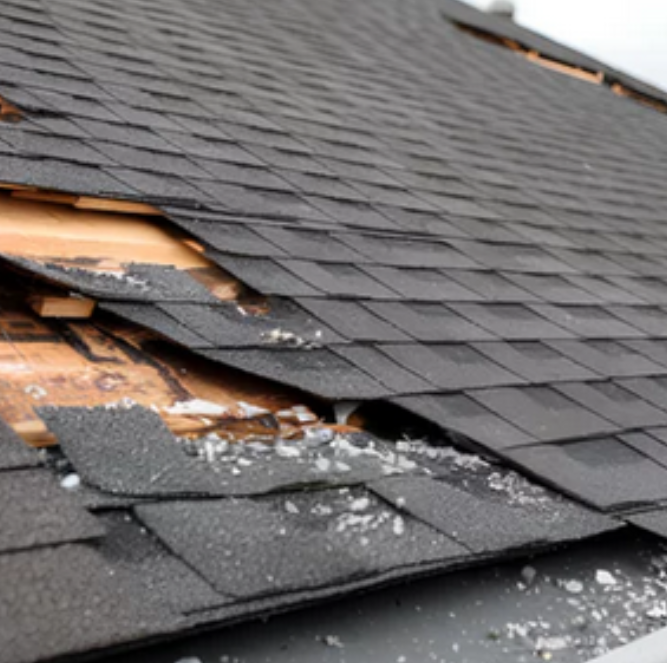

Storm damage can happen fast in the Triad. A strong thunderstorm, wind event, hailstorm, or heavy rain can leave behind missing shingles, lifted flashing, leaking roofs, damaged gutters, and water intrusion that spreads far beyond the roof itself. For homeowners and property managers in Greensboro, Winston-Salem, High Point, and surrounding areas, the first few steps after a storm matter a great deal. Acting too slowly can allow minor roof damage to become a major structural or interior problem. Acting too quickly, without a clear process, can also lead to poor repair decisions or insurance complications.
After a storm, most people want one answer right away: what should I do first? The short answer is to focus on safety, document the damage, prevent further water intrusion if possible, and get the roof professionally inspected. Those steps sound simple, but each one matters and should be handled in the right order.
Start With Safety Before Anything Else
The first priority after any storm is safety. If there are downed power lines, broken tree limbs hanging over the structure, active ceiling leaks near electrical fixtures, or visible structural movement, stay clear of those areas until they can be evaluated. A damaged roof is not just a roofing issue. It can affect framing, insulation, ceilings, electrical systems, and interior finishes.
One of the most common mistakes property owners make is climbing onto the roof immediately after a storm. That is risky for several reasons. Roof surfaces may be slick from rain, loose granules, or debris. Wind damage can also weaken decking or create unstable areas that are not obvious from the ground. In addition, hail and storm debris can make walking conditions dangerous even on low-slope surfaces.
For homeowners, the safest first step is usually a ground-level visual check. For property managers, it may involve a quick perimeter review of the building and common areas while keeping tenants and staff away from visibly hazardous sections. If the damage appears severe, especially where trees, branches, or other debris have impacted the structure, it is best to treat the area as unsafe until professionals can inspect it.
Look for Immediate Signs of Roof Damage
Once the area is safe, begin with a basic visual assessment from the ground and from inside the building. Exterior signs of roof damage may include missing shingles, lifted ridge caps, bent or detached metal, damaged gutters, displaced downspouts, fallen flashing, and debris concentrated in valleys or against roof edges. Hail damage may not always be obvious from the ground, but dents in gutters, metal accessories, and soft metals around the roofline can be warning signs.
Inside the property, look for water stains on ceilings, wet insulation in attics, bubbling paint, damp drywall, and drips around vents, chimneys, skylights, and light fixtures. In commercial and multi-unit properties, upper-floor units and ceiling plenums should be checked as soon as possible because roof leaks often travel before becoming visible.
Not all storm damage creates an immediate active leak. A roof may have compromised shingles, punctured membrane sections, loosened flashing, or seam damage that remains hidden until the next rain. That is why visible damage is only part of the picture. A professional inspection is important even when the roof looks mostly intact from the ground.
Document Everything Carefully
Before cleanup begins, document the damage as thoroughly as possible. This step is especially important if an insurance claim may be involved. Take clear photos and videos of visible roof damage, fallen branches, damaged gutters, water stains, interior leaks, wet flooring, and any personal or business property affected by water. Wide shots help show the full context, while close-up shots help capture detail.
Make notes about when the storm occurred, when you first noticed damage, and which areas of the building were affected. If multiple tenants or occupants report leaks, note the time and location of each report. For larger properties, it helps to create a simple damage log by unit, room, or roof section.
Good documentation helps in several ways. It creates a record of storm-related conditions before temporary repairs are made, supports conversations with insurers, and helps roofing contractors understand the sequence and severity of the event. Even if you are unsure whether the damage is claim-worthy, it is better to document thoroughly at the start than to try to recreate the timeline later.
Take Temporary Steps to Prevent Further Damage
After documenting conditions, the next priority is limiting additional damage. If water is actively entering the building, use buckets, tarps, towels, or plastic sheeting indoors to contain it as much as possible. Move furniture, electronics, inventory, or important records away from the leak area. In residential settings, that may mean relocating items from attics, bedrooms, or living areas. In commercial settings, it may involve protecting equipment, merchandise, ceiling tiles, or tenant spaces.
Temporary exterior protection may also be needed, particularly if there is visible roof damage or open exposure. This often involves emergency tarping or temporary waterproofing by a roofing contractor. Temporary measures are not a substitute for proper repairs, but they can reduce interior water damage while the roof is being inspected and the repair plan is developed.
What matters here is that temporary work should stabilize the situation without creating additional problems. Overly aggressive do-it-yourself patching can trap water, damage materials further, or complicate later repairs. The goal is simple containment until qualified roofing work can begin.
Contact a Qualified Roofing Contractor Promptly
After safety, documentation, and basic damage control, the next step is to contact a qualified roofing contractor with experience in storm-related inspections and repairs. In the Triad, storms can affect everything from asphalt shingle roofs on homes to metal roofs, flat roofs, and multi-family or commercial systems. Your Triad roofing contractor should understand not just the visible roofing material, but also flashing, drainage, ventilation, and hidden failure points that often develop after storms.
A professional inspection should include more than a quick glance from the ground. The contractor should assess impacted slopes, ridge areas, flashing details, penetrations, roof edges, gutters, and any signs of puncture, uplift, or water entry. For low-slope or commercial roofs, seams, membrane integrity, drains, coping, and equipment curbs should all be checked carefully.
It is important to use a contractor who documents findings clearly and explains the difference between cosmetic wear, repairable damage, and conditions serious enough to justify replacement. Storm events often lead to rushed decisions, and property owners benefit from working with a contractor who is methodical rather than high-pressure.
Understand the Insurance Side Without Delaying Action
Storm damage often leads to insurance questions, but one of the biggest mistakes property owners make is waiting too long to act because they are uncertain about the claim process. Insurance review and roofing response should work together. The roof still needs to be stabilized, documented, and professionally assessed as soon as possible.
In practical terms, that means reporting significant storm-related concerns promptly and keeping records of inspection reports, photos, emergency invoices, and communication. Homeowners should review their policy and deductible. Property managers should also gather maintenance history, roof age information, and any prior repair records that may be relevant.
It is also important to understand that not every storm-damaged roof requires full replacement. Some roofs qualify for targeted repair, while others have more widespread damage that affects system performance. A thorough inspection helps clarify that distinction. The objective is to identify the actual condition of the roof and respond based on evidence, not assumptions.
Watch for Hidden Damage in the Days After the Storm
Some storm damage does not show up right away. A roof may appear stable immediately after the event but develop symptoms later as trapped moisture spreads or as the next rainfall exposes weak points. That is why continued monitoring matters in the days following the storm.
Pay attention to new ceiling stains, attic moisture, musty odors, peeling paint, warped trim, soft drywall, or recurring dampness around vents and wall intersections. On commercial properties, property managers should ask maintenance teams and tenants to report any water entry immediately, even if it seems minor. Small leaks often reveal larger roofing failures above.
Exterior signs can also emerge later. Shingles may continue to slide after uplift, fascia may loosen, or gutter systems may show delayed separation where fasteners were stressed by wind. A post-storm roof should not be treated as resolved just because no leak is visible on day one.
Be Cautious With Storm-Chasing Contractors
After severe weather in the Triad, it is common for roofing solicitations to increase. Some contractors are reputable and available to help. Others are temporary operators who move into storm-hit areas, pressure owners into fast decisions, and disappear once the job is done. That creates real risk for warranty problems, incomplete repairs, and poor installation quality.
Property owners should be careful with any company using urgent sales pressure, demanding large upfront payments, or promising outcomes before a proper inspection is completed. A professional roofing contractor should provide a clear scope of work, explain what was found, and answer questions directly. They should also have a real local presence and be available if follow-up service is needed.
This is especially important for property managers overseeing larger portfolios or tenant-occupied buildings. Speed matters after storm damage, but accountability matters more.
Prioritize Permanent Repairs Quickly
Temporary tarps and emergency patches are only the first stage. Once the damage has been inspected and documented, permanent repairs or replacement should be scheduled as quickly as practical. Delays increase the chance of secondary damage, including rot, mold, insulation loss, interior finish damage, and structural deterioration.
Permanent solutions should address the full roofing assembly, not just the most visible symptom. If flashing has failed, it should be corrected properly. If shingles were lifted beyond repair, the affected sections should be rebuilt to match system requirements. If flat roof seams or membrane sections were punctured, the repair method should be compatible with the existing system and installed to manufacturer standards.
For larger buildings, it may also be wise to review drainage, roof traffic patterns, and prior weak points while repairs are underway. Storm damage often exposes vulnerabilities that were already present, and a careful repair plan can improve performance going forward.
Final Thoughts
When storm damage hits the Triad, the first steps should be clear: protect people, document conditions, reduce further water intrusion, and have the roof professionally inspected as soon as possible. Those actions help preserve the property, support the repair process, and reduce the chance that a manageable roofing issue turns into a major building problem.
For homeowners, the key is not to panic and not to ignore the problem. For property managers, the priority is organized response, tenant protection, and clear documentation across affected areas. In both cases, the right roofing contractor plays a central role in identifying damage correctly and recommending the right path forward.
Storms are a reality in the Triad. The best response is not just fast action, but informed action. A disciplined first response can make the difference between a straightforward repair and a far more expensive recovery.