
When property owners ask how much a roof replacement costs, the honest answer is that there is no single number that fits every building. In the Piedmont Triad, roof replacement pricing can vary significantly depending on the size of the roof, the material selected, the condition of the existing system, the complexity of the structure, and whether the project is residential or commercial. Two roofs may look similar from the ground and still have very different replacement costs once tear-off, decking repairs, flashing details, drainage issues, access limitations, and code-related upgrades are factored in.
That is why understanding the true cost of roof replacement requires looking beyond the base estimate. Many property owners focus on the visible material, such as shingles, metal panels, or single-ply membrane, but the real cost of a roofing project includes labor, underlayment, flashing, disposal, safety setup, repairs to damaged substrate, and the technical details that determine whether the new roof will perform properly over time.
For homeowners and commercial property owners in Greensboro, Winston-Salem, High Point, and surrounding parts of the Piedmont Triad, the best way to evaluate roof replacement cost is to understand what drives pricing and what separates a low number from a complete, professionally installed roof system.
Why Roof Replacement Costs Vary So Much
Roofing prices are driven by more than square footage. Size matters, but it is only one part of the equation. A large simple roof with easy access may be more affordable per square than a smaller roof with steep slopes, multiple penetrations, complex valleys, limited access, or extensive damage beneath the surface. The same principle applies to commercial buildings. A wide-open low-slope roof with minimal equipment may be less expensive to replace than a smaller building covered with curbs, drains, HVAC units, parapet walls, and difficult edge details.
In the Piedmont Triad, climate also plays a role in roofing decisions and, indirectly, cost. Roofing systems in this region need to handle hot summers, humidity, heavy rain, seasonal storms, and ongoing thermal movement. That means the roof assembly has to be selected and installed with those conditions in mind. In many cases, what increases the price also improves long-term performance. Better ventilation, upgraded flashing, improved underlayment, enhanced drainage, or thicker membrane options may add to the initial cost while reducing the likelihood of future problems.
Residential Roof Replacement: What Homeowners Are Actually Paying For
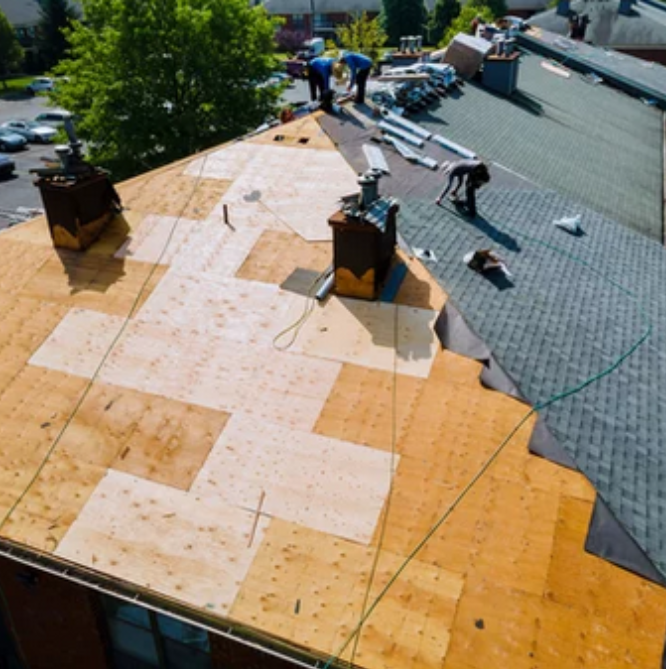
On residential projects, many owners begin by comparing roof replacement prices based only on shingles. That is understandable, but shingles are only one layer of the system. A full residential roof replacement typically includes tear-off of the old roofing material, disposal, underlayment, starter material, shingles or metal panels, ridge components, flashing replacement, ventilation work, pipe boots, sealants, and cleanup. If the decking beneath the old roof is damaged, rotted, or delaminated, replacement of those sections adds cost as well.
Architectural asphalt shingles remain one of the most common residential roofing choices in the Triad because they offer a practical balance of cost and performance. However, even within asphalt systems, pricing can vary based on shingle grade, manufacturer, warranty level, and the number of accessories being replaced. A basic roof replacement with limited complexity will not cost the same as a higher-end architectural shingle system installed on a cut-up roof with chimneys, skylights, steep sections, and extensive flashing work.
Metal roofing generally carries a higher upfront cost than asphalt shingles, but many homeowners choose it for durability, appearance, and long service life. Standing seam systems, in particular, require more precise fabrication and installation, which affects labor pricing. Specialty roofing materials such as synthetic slate, cedar alternatives, or designer shingles can raise the project cost further because of material pricing and additional installation time.
For homeowners, one of the most overlooked cost drivers is roof geometry. Valleys, dormers, hips, steep pitches, intersecting sections, and chimney details all require more labor and more precision. The more complicated the roofline, the more time and material are needed to install it properly.
Commercial Roof Replacement: Why Scope Matters Even More
Commercial roof replacement is usually more complex from a systems standpoint. Low-slope and flat roof assemblies are not priced the same way as steep-slope residential roofs, and the visible membrane is only part of the job. Commercial replacement costs often include tear-off or recover decisions, insulation replacement, fastening patterns, substrate preparation, flashing at penetrations and curbs, edge metal, drainage improvements, and coordination around rooftop equipment.
In the Piedmont Triad, common commercial roofing systems include TPO, EPDM, modified bitumen, metal roofing, and in some cases coating or restoration systems where conditions allow. Each has its own price structure. TPO and EPDM are both common single-ply systems, but membrane thickness, fastening method, insulation design, and seam detailing all influence the final number. Modified bitumen may involve multiple layers and different application methods, which can affect labor and material cost. Commercial metal systems vary widely depending on panel type, substrate, and structural conditions.
Another major factor is whether the existing roof can be recovered or must be torn off completely. Tear-off usually increases cost because it adds labor, disposal fees, and the possibility of discovering wet insulation, deteriorated deck sections, or structural concerns that need correction before the new roof can be installed. While some owners prefer to avoid tear-off expense, a recover system is not always appropriate. The right decision depends on the condition of the existing roof, moisture presence, code limitations, and long-term performance goals.
Commercial roofs also tend to have more penetrations and equipment than residential roofs. HVAC units, vents, skylights, drains, parapet walls, and service traffic all create additional work. Each detail requires proper flashing and waterproofing. That is why square-foot pricing on commercial roofs can vary widely even between buildings of similar size.
Material Choice Changes the Budget, but So Does System Design
Many owners assume material selection is the biggest factor in roof replacement pricing. It is certainly important, but system design matters just as much. For example, two shingle roofs using the same product may still come in at different price points if one includes upgraded underlayment, full flashing replacement, and improved attic ventilation while the other does not. Likewise, two TPO roofs may be priced differently because one uses thicker membrane, higher insulation values, and more robust edge securement.
In other words, a roof estimate is not just pricing a product. It is pricing an assembly. The underlayment, insulation, fasteners, adhesives, flashing details, coping, ventilation, and drainage components all affect both cost and performance. Owners who compare estimates line by line often find that lower bids achieve their price by excluding critical components or simplifying scope.
This is one reason very low roofing bids should be reviewed carefully. They may not include full tear-off, code-related upgrades, proper flashing replacement, or realistic allowances for damaged decking and substrate repairs. A lower initial price can lead to higher long-term cost if the system fails early or requires repeated repairs.
Hidden Costs Many Property Owners Do Not Expect
Some of the most important costs in a roof replacement project are not obvious until the work begins. One common example is substrate damage. On residential roofs, deteriorated decking may be hidden under old shingles until tear-off exposes it. On commercial roofs, wet insulation, rusted metal deck, deteriorated wood fiberboard, or compromised cover board may not be fully visible until sections of the existing assembly are removed.
Another hidden cost is code compliance. Depending on the building and scope of work, the replacement project may require updates related to ventilation, insulation values, fastening patterns, edge metal, or fire classification. These are not optional upgrades in many cases. They are part of installing a roof that meets current requirements and performs as intended.
Access can also affect pricing more than owners expect. A single-story home with an open driveway is easier to stage than a tightly packed property with landscaping constraints, fences, limited parking, or delicate hardscaping. On commercial projects, restricted loading areas, tenant coordination, occupied spaces, and safety protection for entrances or pedestrian traffic can add labor and logistical cost.
Disposal is another real part of the budget. Removing old roofing materials, hauling debris, and keeping the site clean are all built into a professionally managed roofing project. The same goes for jobsite protection. Tarps, magnetic sweeps, landscaping protection, and debris management may not be the most visible parts of the estimate, but they matter.
Repair vs. Replacement: The Cost Decision That Matters Most
Many property owners start the process hoping a repair will be enough, and in some cases it is. But when roofs become older, leak repeatedly, or show widespread wear, continued repair work often becomes less cost-effective. That does not mean every problem requires full replacement. It does mean the cost discussion should include the likely future performance of the roof, not just the immediate invoice.
For residential properties, ongoing shingle repairs, recurring flashing issues, and interior leak damage can quickly add up. For commercial buildings, repeated service calls, chronic leak investigations, emergency patches, tenant disruption, and water damage to ceilings or equipment can easily make deferred replacement more expensive in the long run.
The true cost of replacement should always be compared against the cost of keeping an aging roof in service. Sometimes replacement is the more controlled and economical decision, even when the upfront number is larger.
Why the Cheapest Estimate Usually Is Not the Best Value
Roof replacement is one of the clearest examples of why lowest price and best value are not the same thing. A lower estimate may look attractive at first, but it should be reviewed for scope gaps. Does it include flashing replacement or just reuse existing details where possible? Does it account for decking repairs? Does it include proper ventilation updates on a house or complete edge securement on a commercial roof? Are cleanup and disposal fully included? Is the contractor budgeting enough labor to complete the job correctly?
Professional roofing is detail-driven. The visible field material matters, but many roof failures begin at penetrations, edges, walls, valleys, and transitions. A contractor who prices the roof properly is pricing those details, not ignoring them. That may produce a higher estimate, but it usually produces a better finished system as well.
Property owners should also weigh warranty strength, contractor experience, responsiveness, and local accountability. The lowest bid is not a savings if it leads to installation errors, unresolved leaks, or poor follow-up service.
How Property Owners in the Triad Should Approach Budgeting
The best way to budget for roof replacement is to think in terms of total project value rather than raw cost alone. That means understanding the current roof condition, identifying whether repairs still make sense, selecting the right roofing system for the building, and reviewing estimates in detail rather than comparing numbers without context.
For homeowners, this often means asking clear questions about materials, underlayment, flashing, ventilation, cleanup, and warranty coverage. For commercial owners and property managers, it means reviewing tear-off versus recover options, insulation design, drainage, rooftop equipment details, tenant coordination, and long-term maintenance needs.
In both cases, the goal is not just to get a new roof installed. It is to install a system that performs well in the Piedmont Triad climate, protects the building properly, and reduces the risk of costly issues later.
Final Thoughts
The true cost of roof replacement in the Piedmont Triad depends on far more than roof size or material type. Residential and commercial projects are both shaped by system design, roof complexity, tear-off requirements, substrate condition, code updates, access, and the quality of the installation itself. That is why roofing prices can vary so much from one property to another.
For property owners, the smartest approach is to look beyond the headline number and focus on what the estimate actually includes. A complete roofing system installed correctly will almost always deliver better value than a lower-cost project built around shortcuts. Whether the property is a home, office, retail building, apartment complex, or industrial facility, the cost that matters most is the cost of getting the roof right.
In roofing, the cheapest project is often the one that becomes expensive later. The better investment is the one that balances fair pricing, solid workmanship, and a roofing system designed to last.